
Nobody planned this.
Min Day Lee is not a creator who happened to pick up a jar of Vaseline one day. Vaseline is her content, her feed is filled with Vaseline skincare tips, hacks, and demonstrations. She had been turning humble petroleum jelly into content long before one particular video changed everything.
Then came the video. Lee showcased her Vaseline collection, product by product, and punctuated each display with a mispronounced "Baseline!" (read: "Bhas-a-leen"). In Korean, the "V" sound naturally becomes a "B." Simple phonetics. Completely accidental. Instantly iconic.
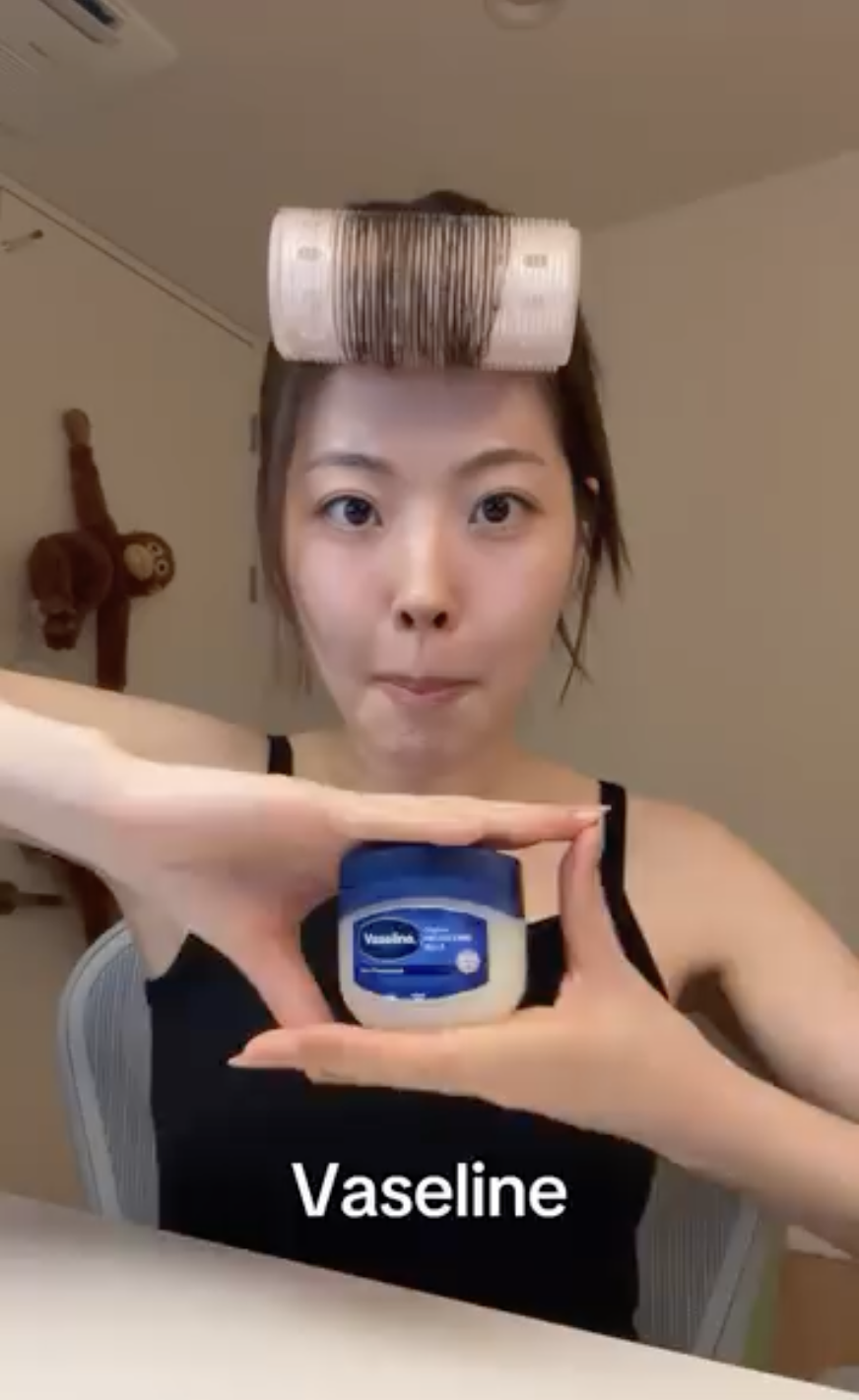
The Instagram post crossed 38 million views. The TikTok version hit 16.6 million. The internet didn't just watch, it remixed, memed, and kept going until "Baseline" had a life entirely of its own.
At this point, most brands would've issued a gentle correction and moved on.
Vaseline did the opposite.
The Response That Made History
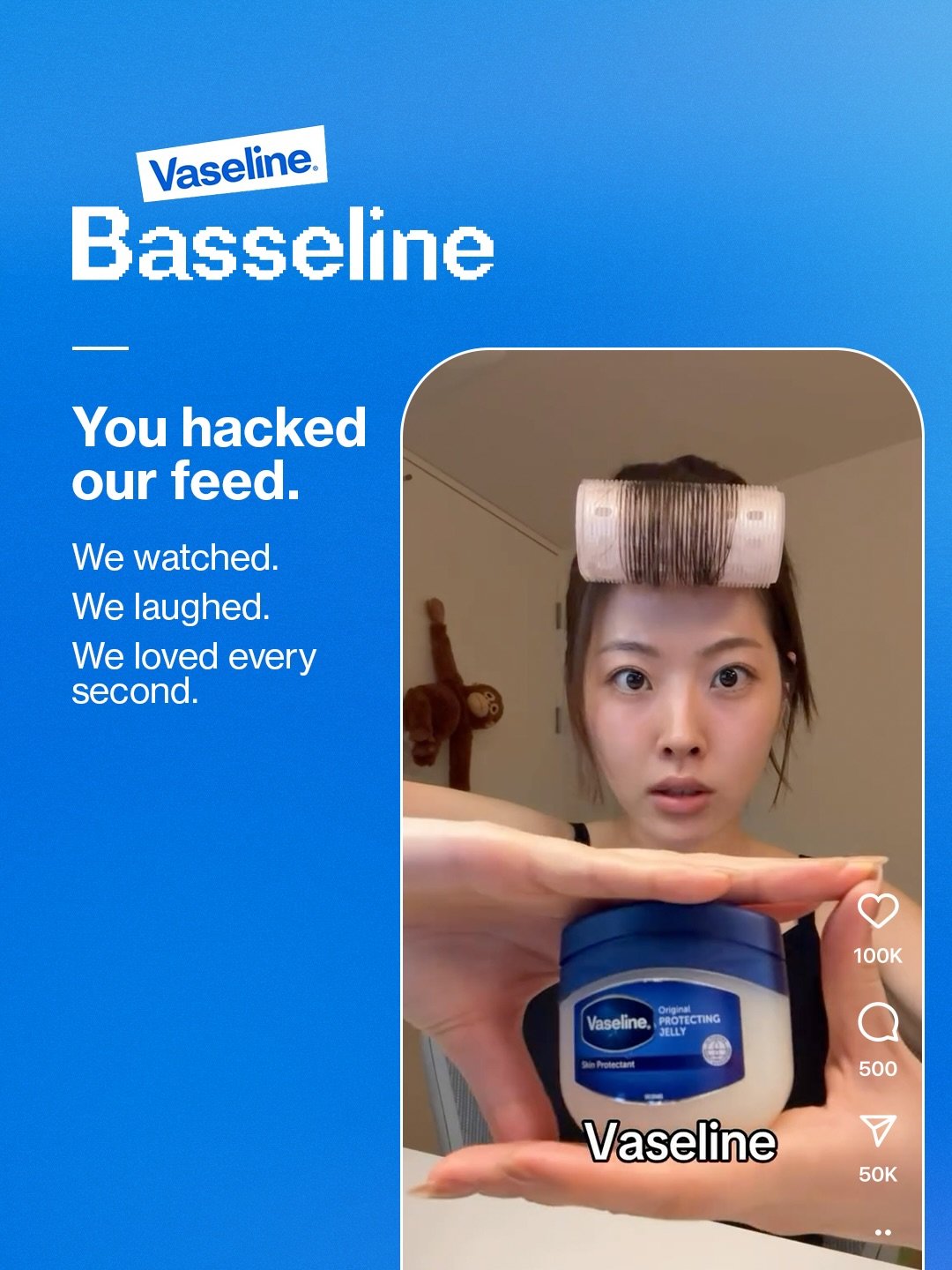
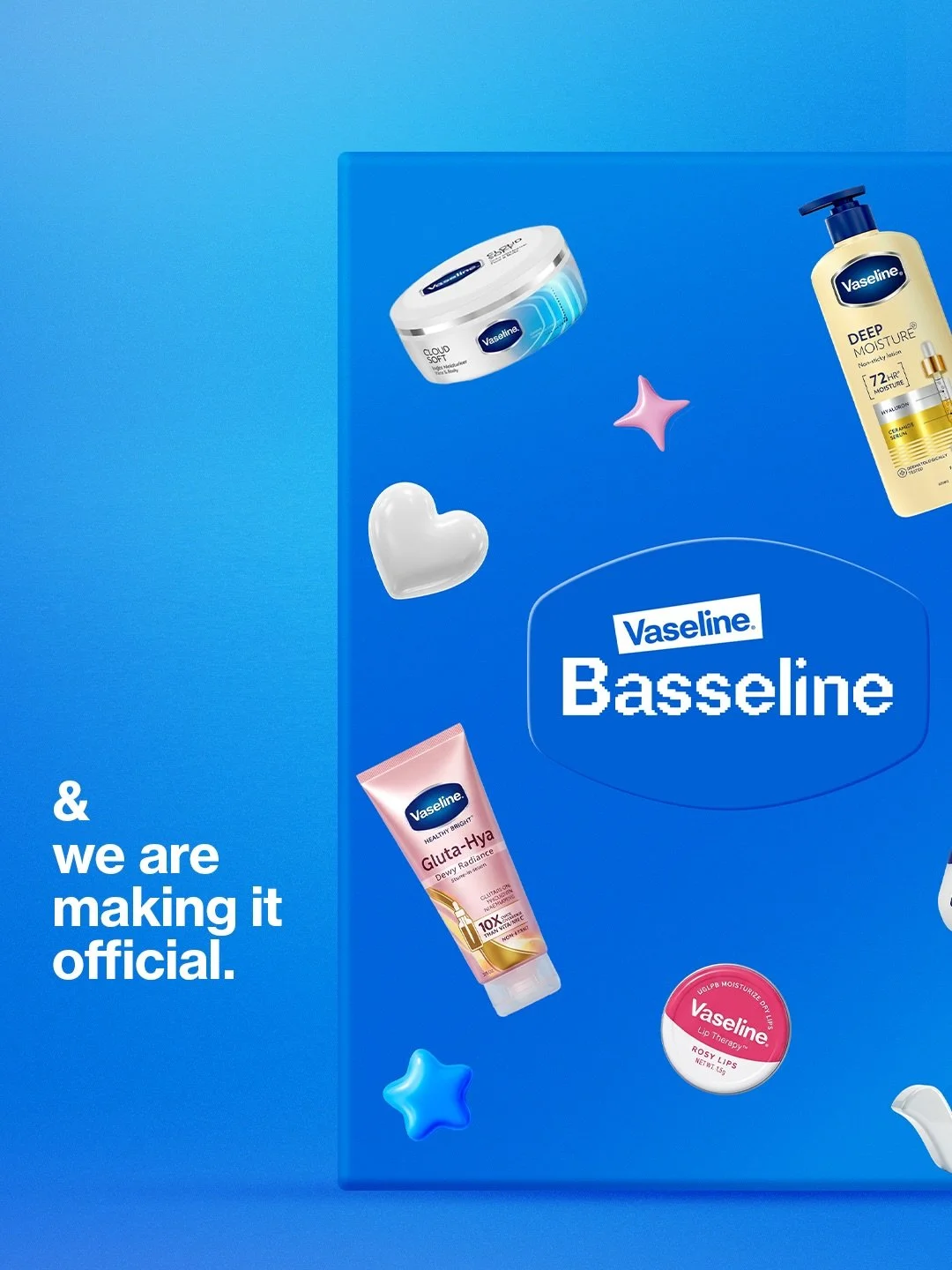
Within days, Vaseline's social team turned it around: a new logo, mocked-up product packaging, and a statement that leaned all the way into the joke.
The official statement read: "We heard you. We agreed. Following extensive review, by which we mean approximately one video, watched over one million times, facts, Vaseline would like to announce our rebrand. Welcome to Baseline, effective immediately."
Same tub. Same jelly. Completely different first letter.
Vaseline changed elements of its social identity to BASELINE, created mock packaging, and announced a tongue-in-cheek rebrand across international accounts. But the smartest move? They didn't absorb the creator into the brand. They put her at the top of it.
Vaseline appointed Min Day Lee as CEO of Baseline, effective immediately, no interview required.
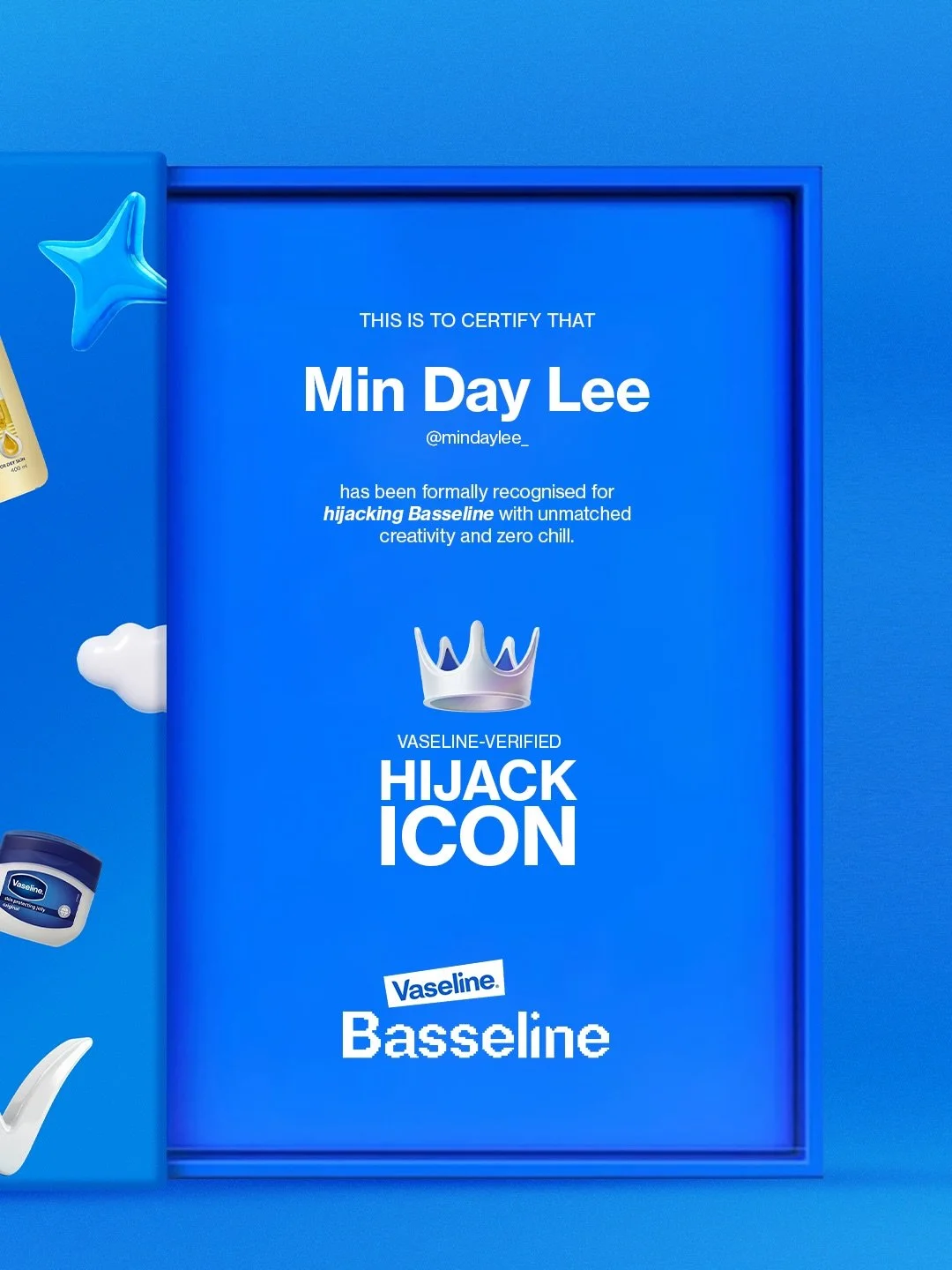
That one decision did more for creator trust than a six-figure sponsorship deal ever could.
Why This Worked (And Why Most Brands Would've Blown It)
Reactive marketing sounds easy. It almost never is.
Most brands either move too slow, the moment dies before they respond, or they overcorrect, turning a spontaneous internet joke into a stiff, overproduced campaign that kills the very thing people loved about it.
The tone here was deliberately self-aware. Vaseline was not pretending a genuine corporate rebrand had taken place. It was using the language and formality of a corporate announcement to make the joke bigger.
And crucially, instead of taking the viral idea and rebuilding it entirely around the brand, Vaseline kept Lee visible. The person who unintentionally created the moment became part of its official continuation.
That's the detail most brands miss. The internet loves a brand that's in on the joke. It loves even more a brand that credits the person who started it.
The Numbers Behind the Noise
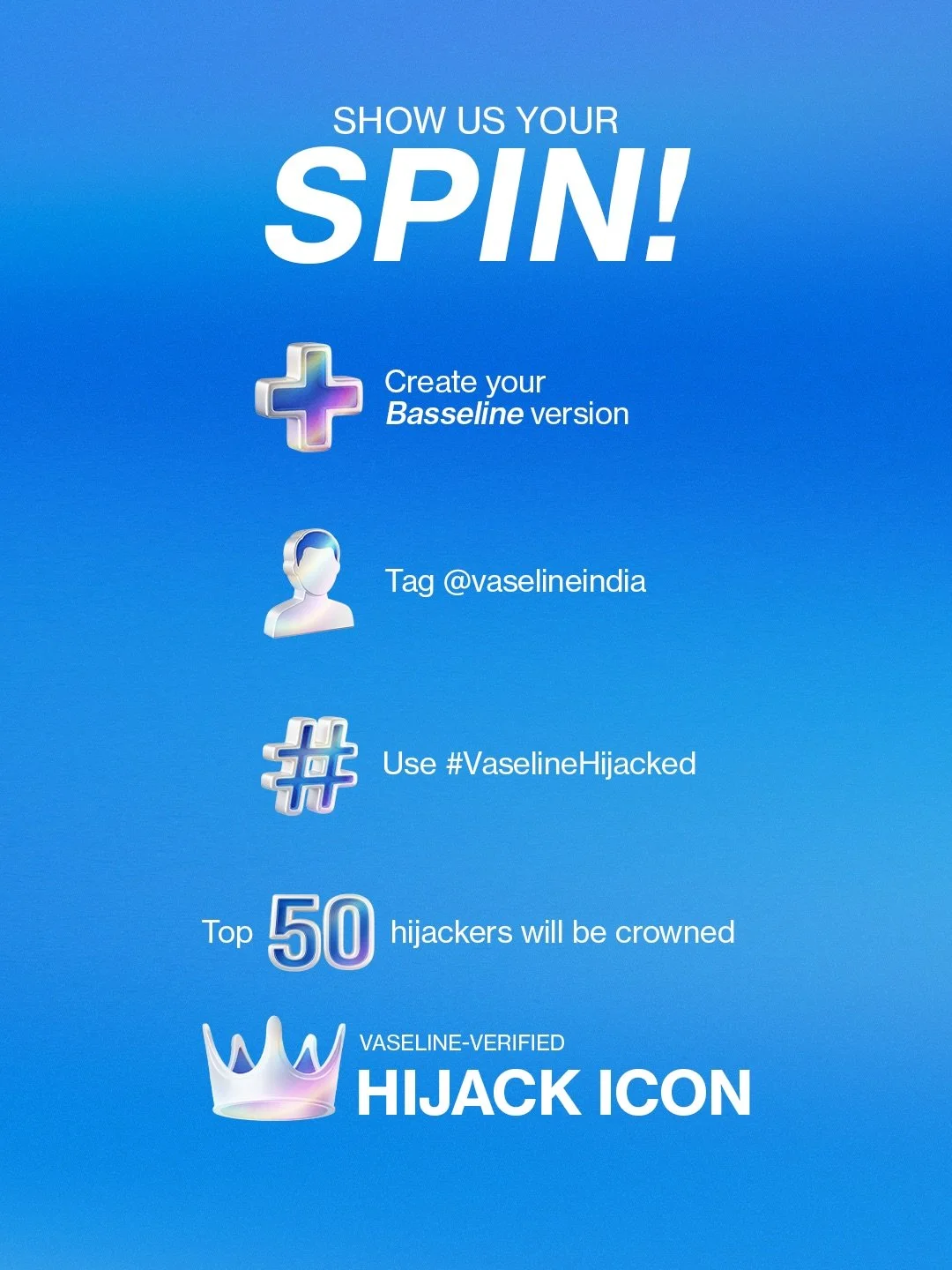
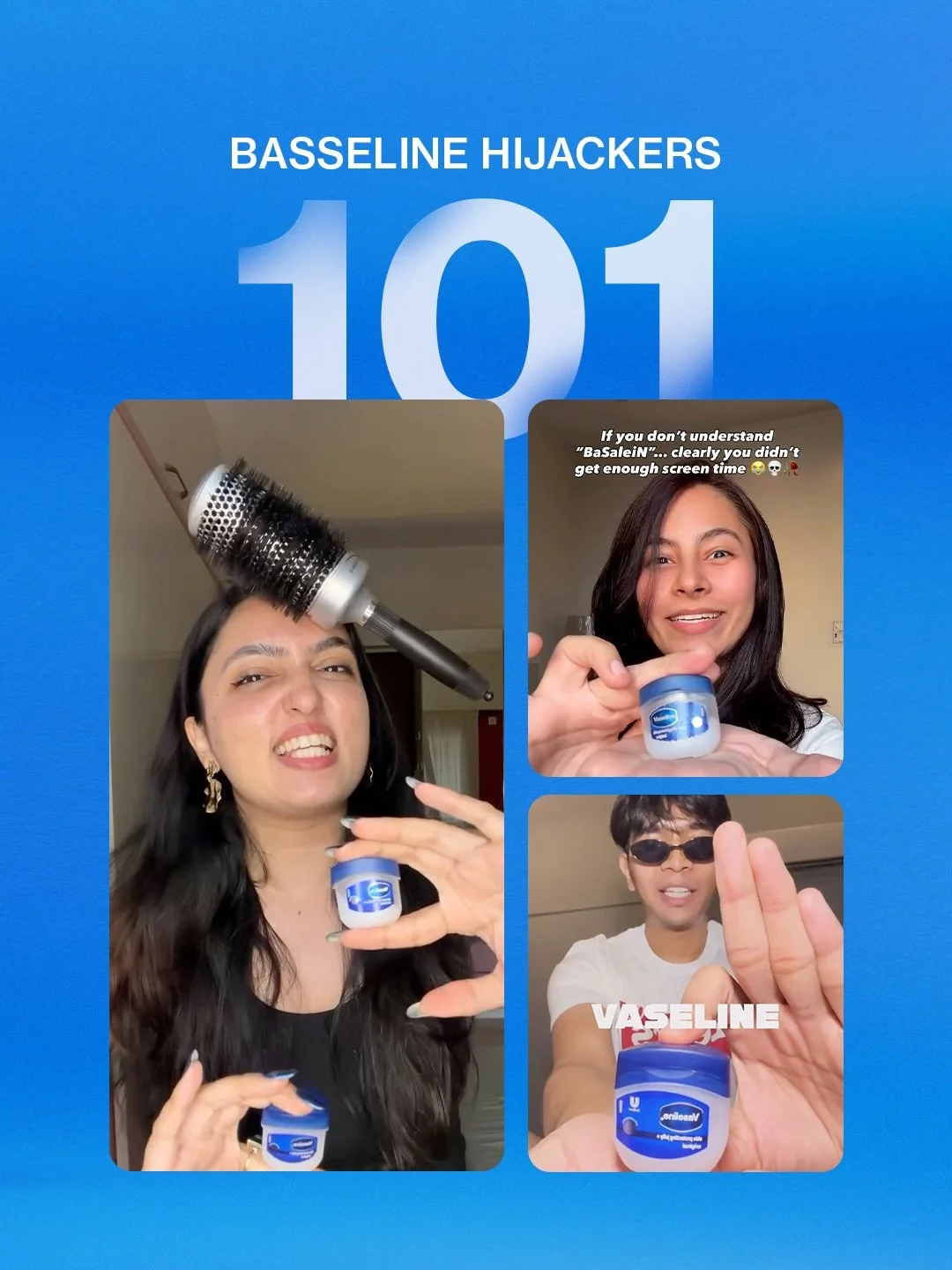
Min Day Lee's original video amassed more than 2.4 million likes on Instagram alone. The audio became one of the biggest trending sounds across Instagram Reels and TikTok. The brand's #VaselineHijacked initiative then invited other creators to make their own "Baseline" content, extending the campaign organically through community rather than paid reach.
Somewhere around 38 million people had a reason to say the word "Vaseline" that week, mostly while laughing. And for a brand that's been around since 1870, that's not nothing.
What Any Brand Can Take From This
You're not going to get a mispronunciation moment. But you can learn what Vaseline did with one.
Speed matters more than perfection. The window for reactive marketing is hours, not weeks. A polished response that arrives three days late is just a delayed ad.
Credit the creator, always. The reason this worked is because Min Day Lee felt celebrated, not used. The internet noticed, and rewarded it.
Self-awareness is a brand superpower. Vaseline didn't pretend to be cool. They leaned into the joke so hard that being in on it made them cool. There's a difference.
The best campaigns start before your brief room does. Nobody at Vaseline HQ planned "Baseline." But they had a social team with enough autonomy and speed to catch the moment before it passed. That infrastructure is the real marketing investment.
The product never changed. The conversation around it did. That's reactive marketing done exactly right.
