
Buldak x BOYNEXTDOOR's "Hotter Than My Ex"
Context
Every February, brands fight for the same three inches of internet space: Valentine's Day content. Most lean into romance. Samyang Foods, the company behind the fiery Korean noodle brand Buldak, did the opposite — it built an entire global campaign around the idea that heartbreak, not love, is what Gen Z actually wants to talk about on February 14th.
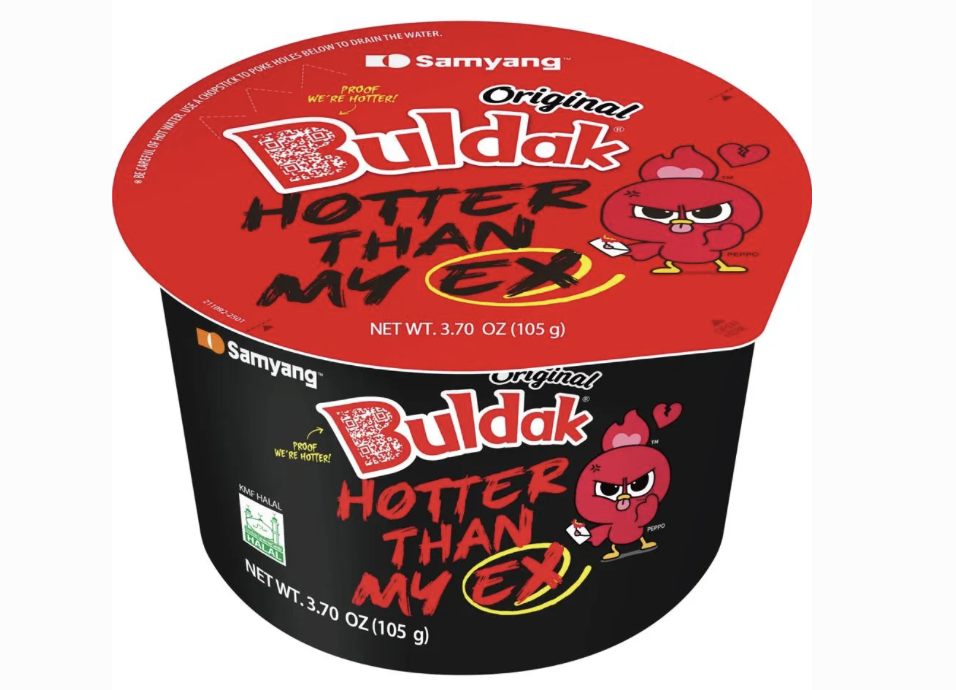
The result was "Hotter Than My EX" — a campaign that turned a packet of spicy noodles into a symbol of moving on, glowing up, and knowing your worth.
Objective
Buldak didn't need more product awareness — the brand's spice level is already a meme in itself. What it needed was cultural relevance with a younger, global audience that scrolls past traditional food ads without blinking. The goal wasn't "sell noodles." It was "become a feeling worth sharing."
Strategy
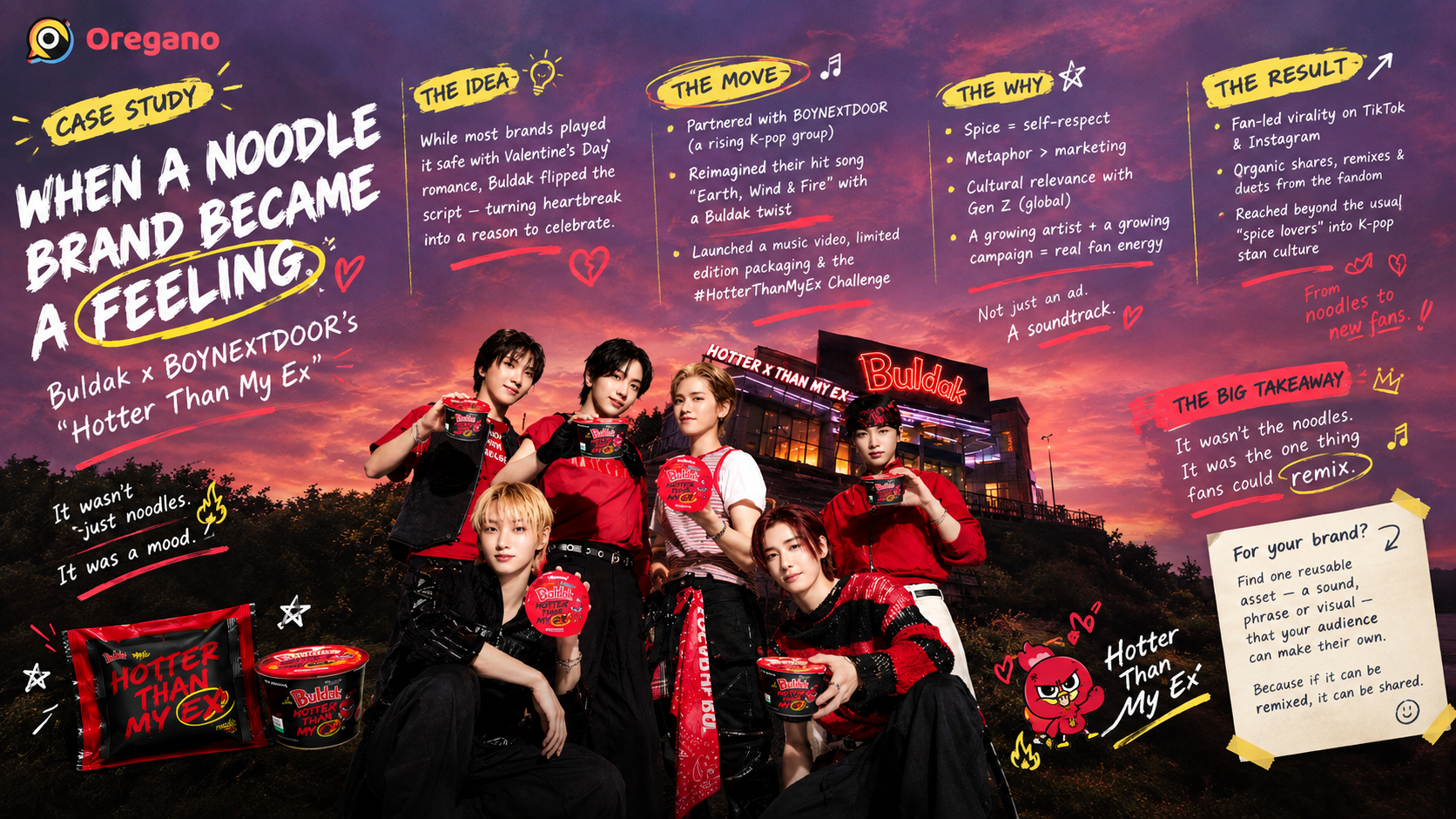
Instead of a celebrity endorsement, Samyang partnered with BOYNEXTDOOR — a rising K-pop group under HYBE's KOZ Entertainment, chosen specifically because they weren't already at the peak of stardom. That mattered: a growing artist paired with a growing campaign lets fans feel like they're part of the brand's rise, not just watching an ad.
The core insight was metaphor, not marketing copy. Spice became a stand-in for self-respect. The tagline compared Buldak's heat to the intensity of an ex — playful, a little unhinged, instantly meme-able.
Execution
The campaign didn't just run as a video ad — it was built to be remixed. BOYNEXTDOOR rewrote and re-recorded their existing hit "Earth, Wind & Fire" as a campaign-specific version, with the members contributing to the new lyrics themselves. That single decision did a lot of work: it gave fans an actual song to loop, not just a jingle to skip.
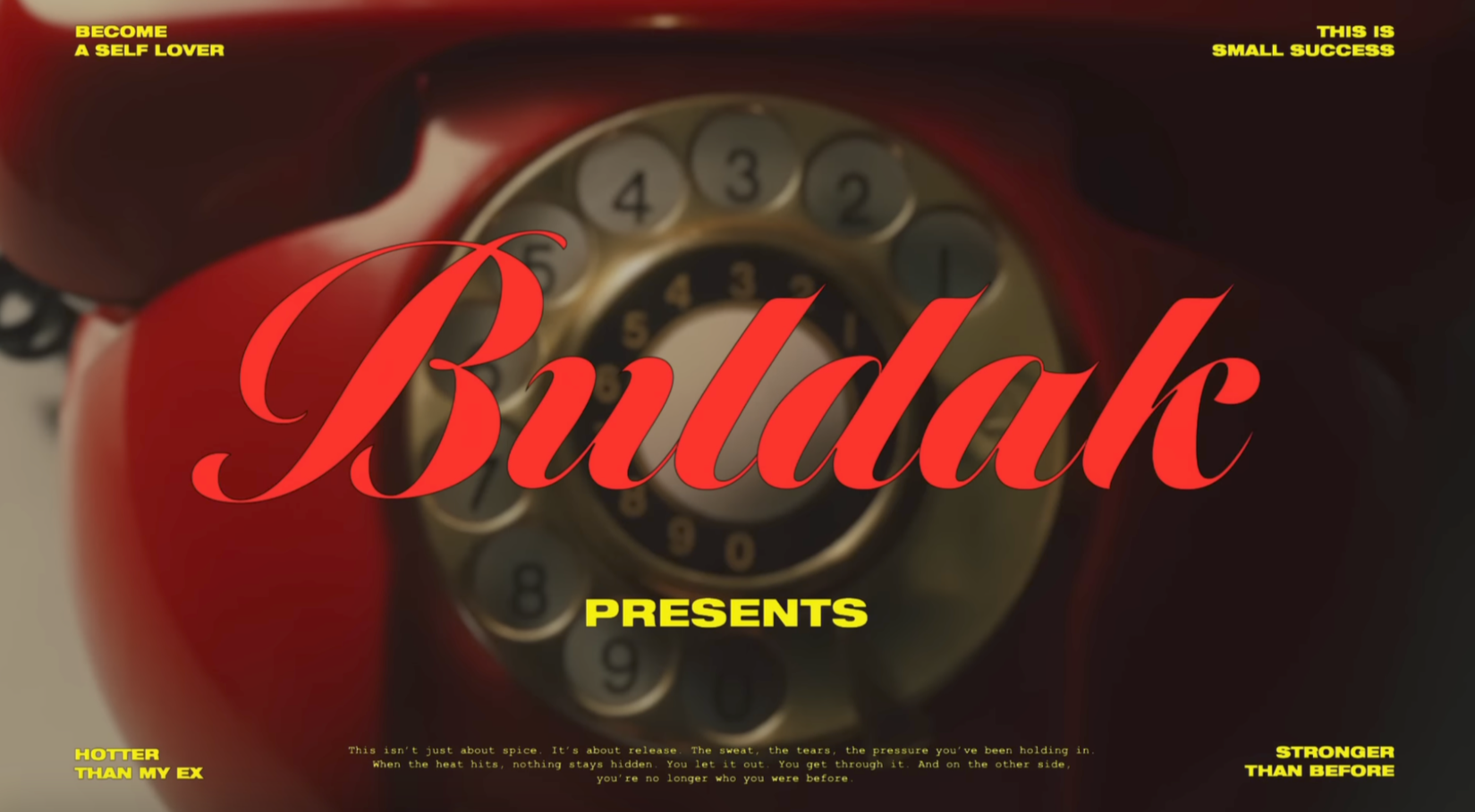
Around that centerpiece, Samyang layered a music-video-style campaign film, limited-edition red packaging, and a short-form "Hotter Than My EX Challenge" designed for fans to duet, remix, and recreate — feeding the same fast-cut, high-energy editing style that already fuels Buldak's existing Fire Noodle Challenge fanbase.
Result
The campaign spread through fan networks rather than paid reach — BOYNEXTDOOR's established fandom carried the original song, the remix, and the challenge across TikTok and Instagram organically, extending Buldak's relevance well past its usual "extreme spice" audience and into K-pop stan culture, where content shares happen fast and often.
Takeaway
The smartest move here wasn't the noodles, or even the K-pop partnership — it was picking a genuinely reusable asset. A song can be looped, remixed, and lip-synced in a way a 30-second ad never can. Buldak didn't ask fans to watch a campaign; it gave them a soundtrack to make their own.
What this means for a brand like yours: you don't need a global pop group to borrow this idea. Any brand — a jewellery label, a hospitality property, a home décor line — can ask the same question Samyang did: what's one asset from this campaign (a sound, a phrase, a visual bit) that a customer could realistically remix and repost themselves? If the answer is "nothing," the campaign will get watched. If the answer is "the soundbite" or "the tagline," it'll get shared — and that's the difference between reach and virality.
